


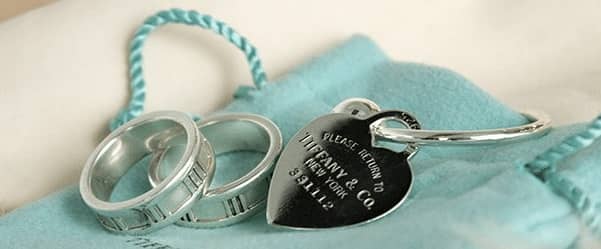
The sight of Tiffany & Co.’s robin-egg blue box has long symbolized elegance, wealth, and timeless romance. But in an era where budgets are tighter and consumer priorities are shifting, more people are intentionally choosing fake Tiffany jewelry—often referred to as replicas or imitations—over the genuine article. At first glance, it may seem like a question of affordability. But a closer look reveals a much broader set of motivations.
This article explores the psychological, economic, social, and aesthetic reasons why buyers are increasingly drawn to fake Tiffany pieces. It also examines how perceptions of luxury, identity, and practicality influence purchasing decisions in today’s evolving fashion culture.
Affordability vs. Accessibility: The Price Barrier
The most obvious—and most cited—reason people choose fake Tiffany jewelry is cost. Authentic Tiffany necklaces, bracelets, and rings often retail anywhere from $300 to over $5,000, even for relatively minimalist silver pieces. For many consumers, especially younger buyers or students, such price tags are simply out of reach.
Replicas, on the other hand, can range from $60 to $120 while mimicking the aesthetic and structure of the original designs. With the rise of high-quality replicas made from sterling silver (marked 925) or gold plating, the difference in appearance is often minimal to the untrained eye. This makes replicas a tempting option for those who admire the brand’s style but can’t justify its markup.
Style Matters More Than Status
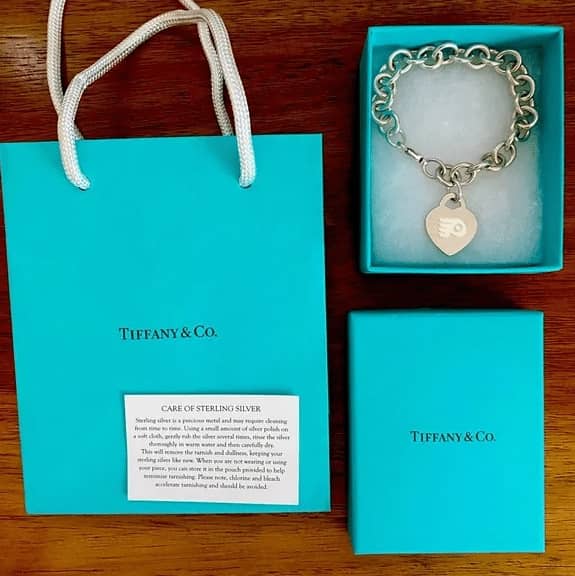
In decades past, the name Tiffany carried social weight. Owning an authentic Tiffany piece was a marker of taste and social standing. But Gen Z and Millennials are rewriting the rules of luxury. For many younger consumers, fashion is less about brand recognition and more about aesthetic compatibility and self-expression.
Social media plays a major role in this shift. On platforms like TikTok and Instagram, style influencers often share “dupe hauls” and compare real vs. fake items openly. Many followers appreciate transparency and focus more on how a piece looks and fits their personal style than whether it’s from a flagship boutique on Fifth Avenue.
In this context, fake Tiffany jewelry serves the same fashion function as the real thing—without the guilt of overspending or the pressure of brand conformity.
Try Before You Commit
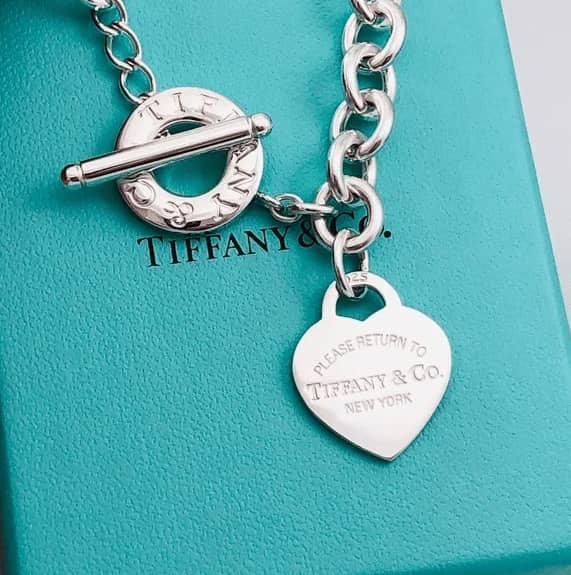
Another reason people choose fake Tiffany jewelry is as a kind of trial phase. Investing in a genuine piece, especially a signature item like the Return to Tiffany heart tag bracelet or a T wire ring, is a significant financial decision. For consumers unsure whether a piece suits their wardrobe or lifestyle, a high-quality replica offers a low-risk way to “test-drive” the style.
If the piece becomes a favorite, the buyer might eventually upgrade to the real thing. If not, they’ve avoided the sunk cost of a luxury item that collects dust. In this sense, fake Tiffany jewelry becomes a stepping stone—an exploratory purchase rather than a permanent alternative.
Everyday Wear Without the Worry
Even those who own authentic Tiffany jewelry often choose to wear replicas for day-to-day use. Whether it’s to avoid theft, loss, or accidental damage, wearing a fake piece can offer peace of mind in situations like commuting, traveling, or casual outings.
Wearing replicas doesn’t mean rejecting the value of the real thing. Rather, it reflects a pragmatic balance between luxury and lifestyle. A person may keep their genuine Tiffany necklace for formal occasions while relying on a near-identical replica for everyday wear.
Changing Views on Authenticity and Identity
Luxury fashion used to be about exclusivity. Now it’s increasingly about creativity, re-interpretation, and personalization. For many consumers, especially those engaged in alternative fashion spaces or budget-conscious sustainability movements, wearing a fake piece isn’t an act of deceit—it’s a form of independence.
Choosing a replica might reflect resistance to overpriced branding, or it may simply express the belief that beauty and craftsmanship shouldn’t be monopolized by logos. In this light, fake Tiffany jewelry becomes a tool of aesthetic freedom rather than brand imitation.
Ultimately, the shift away from rigid brand loyalty toward style-first purchasing is what drives much of the replica jewelry market. People want to look good, feel stylish, and own pieces that reflect their personalities—regardless of whether those pieces were bought from a flagship store or an artisan overseas.
It’s Not Just the Price—It’s the Value Trade-Off
While affordability is a key motivator, many consumers who choose fake Tiffany jewelry are making a calculated value decision. They aren’t necessarily looking for the cheapest version of a luxury look—they’re seeking the best cost-to-benefit ratio.
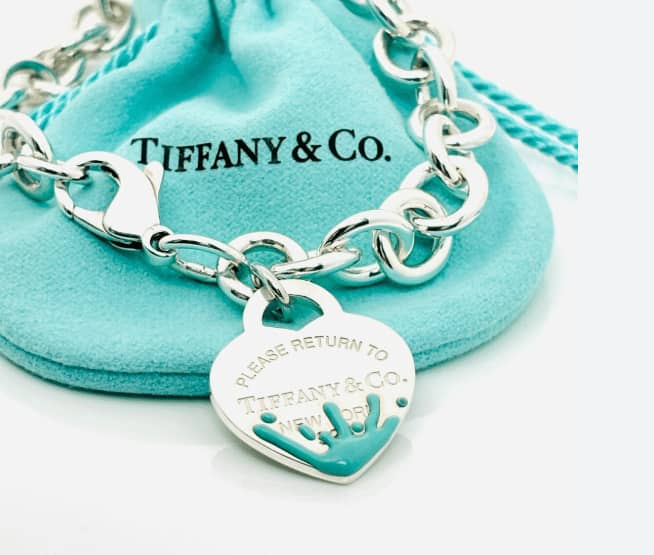
For example, a well-crafted replica Return to Tiffany necklace made from sterling silver might cost $70–$100 and last several years. The original version may cost $500 or more, yet use the same 925 silver base. To a practical buyer, that 5x markup often reflects marketing and brand prestige, not actual improvements in quality or functionality.
This logic extends to packaging and service. While Tiffany offers polished boxes, branded pouches, and boutique ambiance, some buyers value design and wearability over symbolic frills. They may consider the price difference unjustified, especially when comparable designs and materials are available elsewhere.
Replica Jewelry Quality Is Not What It Used to Be
One reason replica Tiffany jewelry is becoming more accepted is that the quality has significantly improved. Today’s best replicas are often handcrafted by skilled artisans or produced in small batches using real materials like:
- 925 sterling silver with proper hallmarks
- Gold or rhodium plating for durability and shine
- Accurate laser engraving for logo-like details (even when unbranded)
- High-polish finishing that mirrors the luster of real Tiffany items
The result is jewelry that not only looks the part but also holds up to daily wear. This is particularly important for items like bangles, link bracelets, or chain necklaces, which experience frequent movement and friction. In some cases, replica pieces have stronger clasps and thicker chains than lower-end originals.
Of course, there are still low-quality fakes on the market. However, informed buyers are learning to distinguish between mass-produced knockoffs and premium replicas. They read reviews, inspect photos, and prioritize construction details. The buying experience has matured to resemble the mindset of purchasing any non-branded artisan item: it’s about craftsmanship, not logo.
Shifting Social Norms and Less Brand Shaming
Wearing fake luxury items was once taboo, associated with deception or “wannabe” culture. But cultural attitudes have shifted. With inflation, wage stagnation, and luxury price hikes outpacing middle-class budgets, many consumers now see high-priced brand items as symbols of economic exclusion—not aspiration.
In this new landscape, wearing replicas is no longer a source of shame. Instead, it’s often framed as smart consumerism or anti-label independence. On Reddit threads, YouTube reviews, and fashion forums, users openly share replica finds, rate seller quality, and even provide side-by-side comparison videos without judgment.
This openness is especially true among younger generations, who place more value on styling creativity than brand loyalty. For them, being resourceful is cooler than being branded. If a fake Tiffany bracelet achieves the same aesthetic outcome and allows them to invest in other areas of their life—like travel, education, or tech—they consider it a net win.
Real-Life Situations Where Fake Jewelry Makes Sense
There are many practical situations in which wearing fake Tiffany jewelry is not only acceptable but logical:
- Travel: When vacationing abroad, especially in areas with pickpocketing or customs risks, bringing expensive jewelry is a liability. Replicas offer peace of mind.
- Gifting on a budget: Not all gift-givers can afford $500+ accessories. A well-selected replica still conveys thoughtfulness and style.
- Matching group pieces: Friends may want to wear “Tiffany-style” friendship bracelets or necklaces without each person spending hundreds.
- Photoshoots or events: For weddings, content creation, or performances, the look matters more than authenticity—replicas are ideal props.
- Teen fashion: For teenagers exploring personal style, affordable replicas allow experimentation without the financial risk of damage or loss.
These aren’t just edge cases—they reflect the everyday logic behind millions of jewelry purchases that don’t involve brand boutiques.
What This Trend Says About Modern Luxury
The growing acceptance of fake Tiffany jewelry is part of a broader redefinition of luxury. In the past, luxury meant scarcity and exclusivity. Today, luxury is increasingly about intentionality, personal relevance, and mindful consumption. People want beautiful, meaningful objects—but they want to be in control of the price they pay and the values they support.
This doesn’t mean Tiffany has lost its place. It still holds symbolic value, and for many, the real item is still the dream. But the dream has diversified. Some people buy real Tiffany as an heirloom or reward; others buy replicas to achieve the look or feel of elegance in their everyday lives. Both decisions are valid—just based on different definitions of worth.
In this way, choosing a fake Tiffany piece is not about faking wealth or status. It’s about reframing what matters: Is it the logo or the beauty? The origin or the experience? The price or the practicality?
A Conscious Consumer Choice
People who choose fake Tiffany jewelry over the originals are not necessarily looking to deceive others or cut corners. In many cases, they’re making a thoughtful choice: to access beauty, express personal style, and respect their budget. Whether it’s for everyday wear, experimentation, or practicality, the motivations are varied—but valid.
The future of fashion may not lie in what’s “real” versus “fake,” but in what feels authentic to the individual. And in that sense, choosing a replica can be just as honest—and meaningful—as walking out of a Tiffany flagship store with the real thing.
Frequently Asked Questions
Q1: Is it common for people to buy fake Tiffany jewelry?
Yes, it’s increasingly common. Many buyers choose replicas due to high prices of original pieces, styling flexibility, or as a low-risk alternative.
Q2: Are all fake Tiffany pieces low in quality?
No. While some are poorly made, many high-quality replicas use sterling silver and decent craftsmanship, depending on the source and price point.
Q3: Is wearing fake Tiffany jewelry considered unethical?
Opinions vary. Some view it as a personal fashion choice, while others raise concerns about brand imitation and intellectual property. It’s a subjective issue.
Q4: Can you tell the difference between real and fake Tiffany jewelry?
To the untrained eye, high-quality replicas can look very similar. Experts or long-time collectors may spot subtle differences in weight, engraving, or polish.
Q5: Why do some people prefer fake Tiffany over real ones even if they can afford both?
Some choose replicas for daily wear, travel, or style testing. Others prioritize value over brand recognition or avoid the stress of wearing expensive items.
Q6: Is it legal to buy and wear fake Tiffany jewelry for personal use?
In most countries, buying and wearing replicas for personal use is legal. However, selling items that falsely use brand logos can violate trademark laws.