



When someone searches for “replica Tiffany jewelry” they’re not just browsing casually. They’re weighing the cost of beauty against the burden of price. They’re likely drawn to the iconic elegance of Tiffany & Co.—the delicate heart tag pendants, the timeless T bracelets, the sterling silver shine—and wondering whether a replica piece can offer the same satisfaction without draining their bank account.
This is not a question of impulse. It’s a question of value, appearance, ethics, and emotional return. In this guide, we’ll examine replica Tiffany jewelry through a practical lens. We’ll look beyond brand hype to evaluate whether high-quality replicas can meet your expectations—for style, material quality, wearability, and confidence. And most importantly, we’ll ask: does wearing a replica diminish the experience of wearing something beautiful?
The Real Tiffany Experience—And Why It’s So Desired
Tiffany & Co. has been synonymous with American luxury since 1837. The brand is known for its exceptional craftsmanship, understated design, and that iconic robin-egg blue box. Owning Tiffany jewelry is often associated with milestone moments—engagements, anniversaries, graduations. It’s not just an accessory; it’s a status symbol, a personal story, and in many cases, a legacy.
But this emotional connection comes with a steep price. A simple Tiffany heart tag necklace can cost upwards of $400, while T Wire bracelets and Return to Tiffany chokers easily run into the thousands. For many, that price reflects not just the materials, but decades of branding, marketing, and retail overhead.
Which leads to a fair question: if the emotional and aesthetic appeal can be found elsewhere—at a lower cost—is a replica version a legitimate alternative?
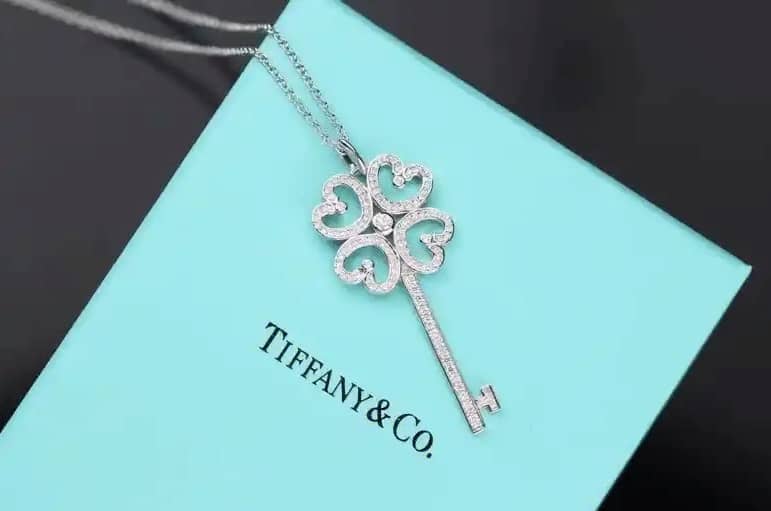
What Is “Replica” Tiffany Jewelry Really?
Let’s define “replica” clearly. In this context, replica jewelry refers to pieces that mimic the style and design of Tiffany originals but are not produced or endorsed by the brand. Unlike cheap counterfeits that use low-grade alloys or fake plating, high-quality replicas aim to match the look and feel of authentic Tiffany pieces using solid sterling silver (often 925 marked), real enamel, and accurate craftsmanship.
The difference between a poor-quality fake and a well-made replica is vast. A fake may tarnish after one wear, while a good replica may be indistinguishable from the original in day-to-day use. Many replica pieces are even handcrafted by independent jewelers who take pride in precision and material quality—something mass-market costume jewelry rarely offers.
Who Buys Replica Tiffany Jewelry—And Why?
There’s a growing audience for replica luxury jewelry, especially among the younger, fashion-forward demographic. Here’s why:
- Budget-conscious style: People want the Tiffany look without the Tiffany price. A well-made replica lets them participate in that style conversation without overspending.
- Exploration before investment: Some buyers use replicas to “test-drive” a design. They want to see if the piece suits their wardrobe or personal style before committing to the original.
- Gifting flexibility: When gifting jewelry, not everyone has the means for the original. A quality replica can still offer emotional impact and beauty—without the financial strain.
- Everyday wear: Even those who own original Tiffany pieces may use replicas for travel, work, or daily use to avoid damage or theft.
Material Quality: Can Replicas Match the Original?
Many high-grade replica Tiffany pieces are made from 925 sterling silver, the same base material used in most authentic Tiffany silver collections. When properly treated with anti-oxidation coating, sterling silver replicas offer excellent luster, wear resistance, and hypoallergenic properties—similar to the real deal.
Some advanced replicas even use hand-polishing and deep engraving techniques that closely mimic original font spacing and logo etching. Of course, expert jewelers or trained eyes may still spot the difference, but in casual or social settings, the distinction is nearly invisible.
The most obvious trade-off tends to be in finishing and packaging. Authentic Tiffany pieces come with flawless polishing, exact-weight proportions, and that signature blue box with ribbon. High-quality replicas may come close, but rarely replicate the packaging experience to the same emotional level. For many buyers, however, this isn’t a dealbreaker.
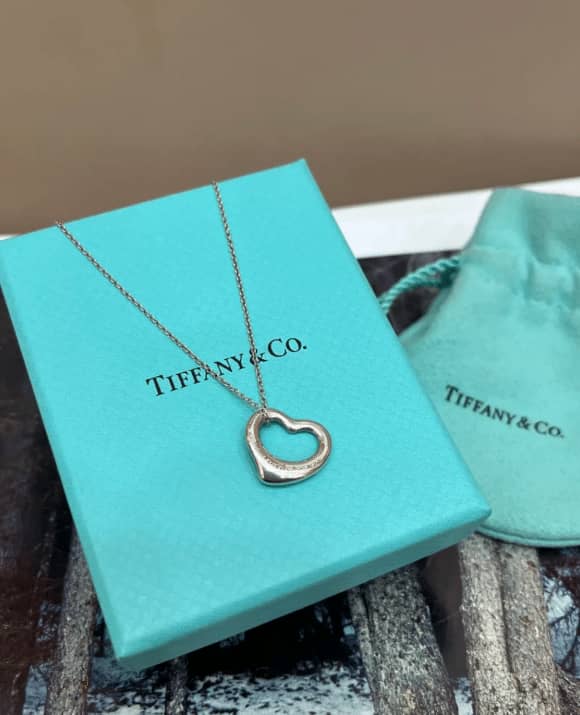
Style and Versatility: Is It Still “Tiffany Style” If It’s a Replica?
Absolutely. The reason people are drawn to Tiffany-inspired pieces is because of their design language—clean, classic, and versatile. Whether it’s the bold lines of the Atlas collection, the playful Return to Tiffany charms, or the minimalism of the T series, these styles transcend branding. They pair effortlessly with business attire, casual denim, cocktail dresses, or layered streetwear. A good replica retains this design DNA.
In fact, some replica pieces offer customization options that Tiffany doesn’t—such as adding initials, alternative chain lengths, or combining design elements from multiple collections. While purists may prefer the original, fashion-focused buyers often enjoy this added flexibility.
Social Perception: What If Someone Finds Out It’s a Replica?
This is the most sensitive—and personal—part of the decision. Wearing a replica often raises concerns about being judged, especially in image-conscious environments. But the truth is: most people can’t tell the difference, and many wouldn’t care even if they could. What matters more is how you carry it.
There’s also a growing normalization of replicas among fashion circles, especially as luxury brand prices continue to rise faster than wages. On TikTok, YouTube, and Instagram, influencers openly share “dupe hauls” or compare originals with high-end imitations. The stigma is fading, particularly when the quality is high and the choice is conscious rather than deceitful.
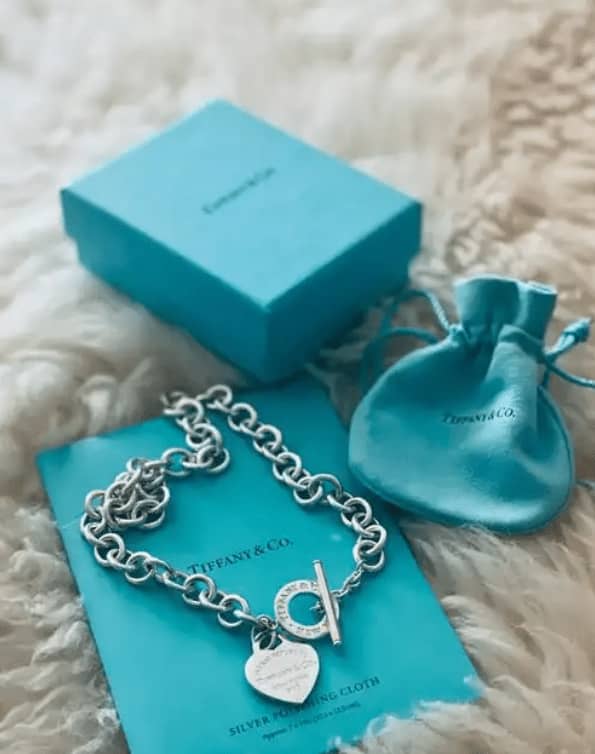
Replica vs. Original: Is It Just About the Price?
One of the most common justifications for choosing replica Tiffany jewelry is affordability—but the difference runs deeper than just numbers on a price tag. High-quality replicas typically cost 5–15% of the original’s retail price. That means a $500 necklace might cost only $40–$80 as a replica, even when made with sterling silver and similar craftsmanship.
But does saving money justify the trade-offs? Here’s a breakdown of what you gain—and what you sacrifice—when you choose a replica over the original:
| Aspect | Original Tiffany | High-Quality Replica |
|---|---|---|
| Material | Sterling silver, 18k gold, platinum | Mostly sterling silver (925), sometimes gold-plated |
| Craftsmanship | Flawless finish, perfect engraving | Good to excellent, some minor differences |
| Packaging | Signature blue box, suede pouch, ribbon | Varies—some replicas come with generic packaging |
| Brand Value | Official Tiffany heritage and prestige | Visual resemblance only, no brand authenticity |
| Resale or Heirloom | Holds or increases value over time | Limited or no resale value |
| Price | $300–$5,000+ | $60–$120 |
As the table suggests, the decision isn’t always black and white. If you’re seeking investment value or brand legacy, nothing beats the original. But if your priority is daily wear, experimentation, or budget-conscious elegance, replicas provide a surprisingly solid middle ground.
Who Should Consider Buying Replica Tiffany Jewelry?
Not every shopper is looking for the same thing. Here are some personas who may find replica Tiffany jewelry not only acceptable—but ideal:
- Young professionals: Building a stylish wardrobe on a budget while saving for other life goals.
- Fashion enthusiasts: Enjoy mixing high-low pieces without being overly loyal to luxury labels.
- Frequent travelers: Prefer to leave expensive pieces at home but still want to wear elegant jewelry abroad.
- Gift givers on a budget: Want to impress without overspending, especially for birthdays or friendship tokens.
- Minimalists: Care more about aesthetics and design than brand prestige.
Of course, this doesn’t mean that replica jewelry is for everyone. If you’re buying an engagement gift, family heirloom, or want the assurance and status of owning the real thing, original Tiffany pieces still carry unique emotional and cultural weight.
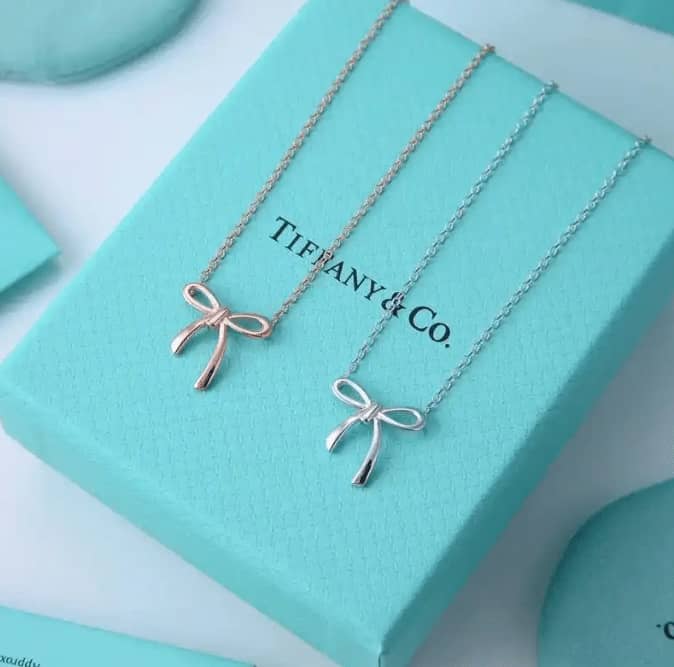
When Replicas Go Wrong: What to Watch Out For
While many replicas offer excellent value, there are pitfalls to avoid. Low-quality fakes can look dull, irritate your skin, or tarnish quickly. Here’s how to spot a replica worth your money:
- Check the material: Look for “925” sterling silver stamps, not base metal or unknown alloys.
- Inspect the details: Clean engraving, consistent font spacing, and precise edges are signs of quality.
- Weight matters: A good replica should feel solid in hand—not hollow or overly lightweight.
- Finish quality: Mirror-polished surfaces, smooth solder joints, and secure clasps reflect careful craftsmanship.
- Avoid replicas with fake branding: High-quality inspired pieces often avoid placing counterfeit logos, which can carry legal or ethical risks.
It’s also smart to avoid impulse buys from unknown sellers. Read reviews, check photos, and when possible, choose sellers with a track record of delivering what they advertise.
Styling Tips for Replica Tiffany Jewelry
Once you have a good piece in hand, styling it is easy—because Tiffany-inspired designs are timeless. Here are some pairing ideas:
- For work: Pair a silver T-style bracelet or necklace with a crisp white blouse and tailored pants for subtle sophistication.
- For casual weekends: Layer a replica Return to Tiffany tag necklace with other chains or charms over a neutral tee or sweater.
- For evening wear: A replica heart pendant or link bracelet works beautifully with satin dresses or off-shoulder silhouettes.
- For gifting: Choose pieces with neutral colors and classic forms that can fit any wardrobe, such as open-heart pendants or minimalist cuffs.
Because the designs are so versatile, even a single piece can go a long way in refreshing your look—without screaming “fake” or “fashion risk.”
Is Replica Tiffany Jewelry Worth Buying?
For many shoppers, the answer is yes—if the replica is high-quality, honestly marketed, and chosen with the right expectations. A replica won’t offer the long-term investment or social recognition of an authentic Tiffany piece. But it can offer something else: affordable elegance, stylistic freedom, and everyday beauty without financial stress.
Ultimately, jewelry should make you feel good—about how you look, what you spent, and how often you can enjoy wearing it. If a well-made replica delivers on all those fronts, then yes, it’s absolutely worth buying.
The real luxury might not be the label itself—but the confidence of choosing what works best for your lifestyle.
Frequently Asked Questions
Q1: What is the difference between replica Tiffany jewelry and fake Tiffany jewelry?
Replica jewelry imitates the design and appearance of Tiffany pieces but does not claim to be authentic. Fake jewelry, on the other hand, often uses counterfeit branding or logos to mislead buyers into thinking it’s a genuine Tiffany product.
Q2: Is replica Tiffany jewelry made from real sterling silver?
Some high-quality replicas are made from 925 sterling silver, while others may use plated alloys. It depends on the source and craftsmanship. Checking materials and markings before purchase is important.
Q3: Can people tell if I’m wearing a replica Tiffany piece?
In casual settings, high-quality replicas are often visually indistinguishable from originals. However, trained eyes or those familiar with the brand’s details may notice subtle differences in weight, finish, or engraving.
Q4: Are there ethical concerns with buying replica Tiffany jewelry?
Some buyers question the ethics of wearing replicas due to intellectual property concerns. Others view it as a budget-friendly way to access luxury aesthetics. Opinions vary, and individual values play a role.
Q5: Will replica Tiffany jewelry last as long as the original?
Durability depends on materials and craftsmanship. High-quality replicas made from sterling silver may last several years with care, though they may not match the longevity of genuine Tiffany pieces.
Q6: Is it legal to buy or wear replica Tiffany jewelry?
In most countries, buying and owning replicas for personal use is legal. However, selling counterfeit items with fake branding may violate trademark laws.